

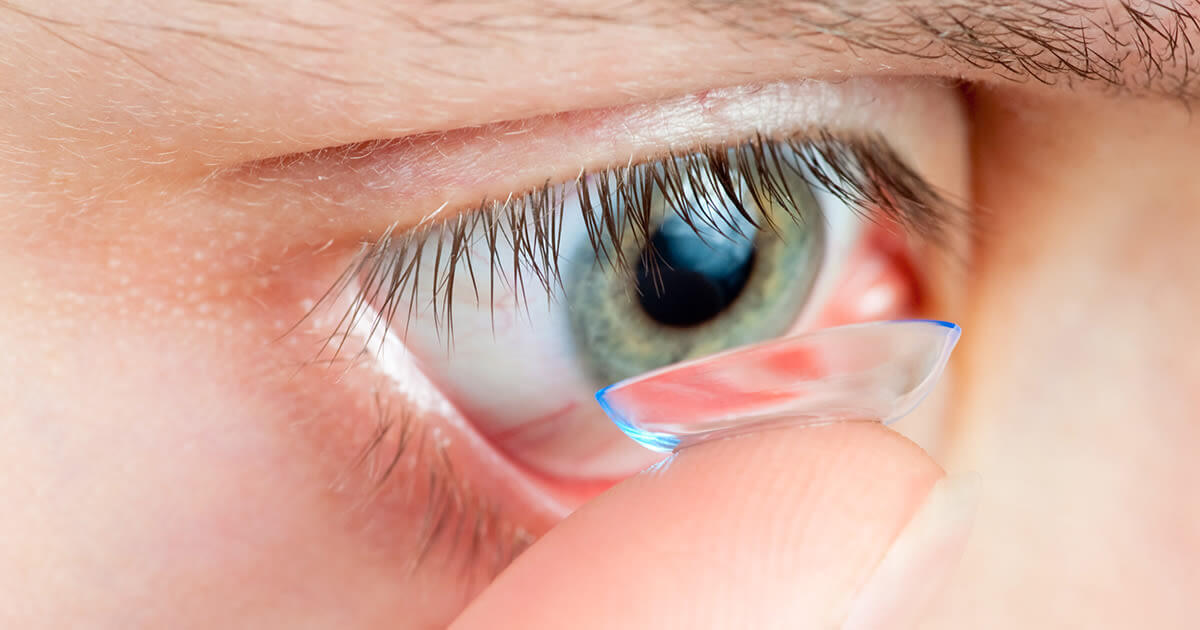
Scleral lenses can make a remarkable difference in your vision and comfort, especially if you have conditions such as keratoconus, severe dry eye, corneal scarring, or irregular astigmatism. However, taking proper care of your lenses is just as important as having them fitted correctly.
Unlike traditional contact lenses, scleral lenses are larger, custom-designed lenses that rest on the white part of your eye (the sclera) and create a reservoir of fluid over the cornea. This unique design helps provide clear vision while keeping the surface of your eye hydrated.
The good news? Caring for scleral lenses is easier than you might think. Once you establish a daily routine, cleaning and handling your lenses will become second nature.
At Weston Contact Lens Institute, Dr. Elise Kramer and her team teach every patient how to safely insert, remove, clean, and store their lenses.
Here's everything you need to know to keep your scleral lenses clean, comfortable, and in excellent condition.
How to Care for Your Scleral Lenses: A Step-by-Step Guide
1. Always Wash and Dry Your Hands
Before touching your lenses, wash your hands thoroughly with soap and water.
Rinse away any soap residue and dry your hands with a clean, lint-free towel. Avoid using oily or moisturizing soaps immediately before handling your lenses, as they can leave residue on the lens surface.
Clean hands are one of the simplest and most effective ways to reduce the risk of eye infections.
2. Remove and Clean Your Lenses Every Day
After removing your scleral lenses, clean them using the solution recommended by your eye care provider.
Throughout the day, natural oils, proteins, mucus, and other debris can accumulate on the lens surface. Removing these deposits helps maintain clear vision and comfortable wear.
Depending on your prescribed cleaning system, you may need to gently rub the lenses with an approved cleaning solution before rinsing and disinfecting them.
Important: Never use tap water, bottled water, distilled water, or homemade saline to clean or rinse your lenses. Water can contain microorganisms, including Acanthamoeba, that may cause serious eye infections.
Always follow the cleaning instructions provided for your specific lenses and solutions.
3. Disinfect Your Lenses Before Storing Them
Cleaning removes deposits, but disinfection is necessary to eliminate harmful microorganisms.
Two commonly recommended options include:
- Hydrogen peroxide systems: These provide effective disinfection and are often a good choice for patients with sensitive eyes. They require a special case that neutralizes the peroxide before the lenses can be worn again.
- Multipurpose solutions approved for rigid gas-permeable lenses: Certain products allow you to clean, disinfect, and store your lenses using the same solution.
Not every contact lens solution is compatible with scleral lenses, so always use the products recommended by your eye care provider.
If you use a hydrogen peroxide system, allow the full neutralization cycle specified by the manufacturer, commonly six hours for certain systems.
Never put unneutralized hydrogen peroxide directly into your eye or use it to fill your scleral lenses. Doing so can cause significant burning and irritation.
4. Fill Your Lenses With Preservative-Free Saline Before Insertion
One of the most important differences between scleral lenses and regular contact lenses is how they are inserted.
Before inserting your scleral lens, fill the bowl completely with the recommended sterile, preservative-free saline solution.
This fluid stays between your lens and your cornea throughout the day, helping maintain a smooth, hydrated surface.
A few important reminders:
- Always use sterile, preservative-free saline specifically recommended for scleral lens filling.
- Fill the lens completely to help prevent air bubbles.
- Avoid touching the tip of the saline container to your fingers or lens.
- Follow the manufacturer's instructions for single-use or multidose containers.
Remember: Saline is used for filling and rinsing your lenses. It does not disinfect them.
5. Insert Your Lenses Carefully
Scleral lens insertion may feel challenging at first, but most patients become comfortable with practice.
You can insert your lenses using your fingers or a specially designed scleral lens applicator.
Keep your face parallel to the floor, hold your eyelids open, and gently bring the filled lens toward your eye.
After insertion, check your vision and comfort. If you notice an air bubble underneath the lens, remove it and reinsert it with fresh preservative-free saline.
Air bubbles can cause blurred vision, discomfort, and localized dryness.
If you're having trouble with insertion or removal, don't worry. Our team can review the technique with you and recommend tools that may make the process easier.
6. Keep Your Lens Case Clean
Your lens case is an important part of your daily care routine.
For conventional lens cases, follow the cleaning instructions provided with your disinfecting solution. Empty the used solution after each use, clean the case as directed, and allow it to air-dry.
Never top off yesterday's solution with fresh solution.
If you use a hydrogen peroxide system, follow the manufacturer's instructions for its special neutralizing case. These cases are not interchangeable with regular contact lens cases.
Replace your lens case according to the manufacturer's recommendations, or sooner if it becomes damaged or visibly dirty.
7. Follow Your Recommended Wearing Schedule
Scleral lenses are designed to provide comfortable vision throughout the day, but the ideal wearing time varies from person to person.
Some patients comfortably wear their lenses for most of their waking hours, while others may need to remove, rinse, and refill them during the day.
Your recommended wearing schedule depends on several factors, including your eye health, tear film, lens fit, and reason for wearing scleral lenses.
Unless your eye care provider has specifically instructed otherwise, never sleep or nap in your scleral lenses.
Sleeping in contact lenses increases the risk of infection and other complications.
8. Avoid Water Exposure
Water and contact lenses are not a safe combination.
Remove your scleral lenses before swimming, showering, or entering a hot tub whenever possible.
Even clean-looking water can contain microorganisms that may cause serious eye infections.
If your lenses are accidentally exposed to water, remove them as soon as possible and properly clean and disinfect them before wearing them again.
9. Attend Your Regular Follow-Up Appointments
Even if your lenses feel comfortable and your vision is excellent, regular follow-up visits remain important.
Over time, your eye shape, prescription, tear film, and lens condition may change.
During your appointments, Dr. Kramer evaluates your eye health, checks the fit of your lenses, examines their surface condition, and determines whether any adjustments are needed.
Routine visits help identify small issues before they become larger problems.
Which Solutions Should You Use for Scleral Lenses?
One of the most common questions patients ask is whether they can use the same solution for cleaning, storing, and filling their lenses.
The answer is not necessarily. Different solutions serve different purposes.
Preservative-Free Saline
Used for: Filling the scleral lens before insertion and rinsing when appropriate.
Preservative-free saline creates the fluid reservoir between your lens and your eye.
Because this fluid remains in contact with the cornea for hours, it is important to use an appropriate sterile, preservative-free product.
Saline does not clean or disinfect your lenses.
Hydrogen Peroxide Solutions
Used for: Disinfecting lenses.
Hydrogen peroxide systems are effective at disinfecting contact lenses and can be especially useful for patients who are sensitive to certain preservatives.
However, these solutions must be used with their designated neutralizing cases and allowed to complete the full neutralization cycle.
Never rinse your lenses with unneutralized peroxide immediately before insertion.
Multipurpose Solutions
Used for: Cleaning, disinfecting, and storing lenses, depending on the product.
Some multipurpose solutions are specifically formulated for rigid gas-permeable lenses, including scleral lenses.
However, solutions designed for soft contact lenses are not automatically appropriate for scleral lenses.
Always check with your eye care provider before switching products.
Common Scleral Lens Care Mistakes to Avoid
Even experienced scleral lens wearers can develop habits that affect their comfort or eye health.
Here are some of the most important mistakes to avoid:
- Using tap water: Never rinse or store your lenses in water, even if it is filtered or distilled.
- Reusing old disinfecting solution: Always use fresh solution according to the manufacturer's instructions.
- Sleeping in your lenses: Unless specifically prescribed, remove your lenses before sleeping or napping.
- Using the wrong filling solution: Only use the sterile, preservative-free filling solution recommended for your lenses.
- Skipping daily cleaning: Deposits can accumulate even when your lenses look clean.
- Ignoring discomfort: Persistent redness, pain, light sensitivity, or blurred vision should never be ignored.
- Skipping follow-up appointments: Your eyes can change even when your lenses still feel comfortable.
If you experience significant eye pain, redness, light sensitivity, or a sudden decrease in vision, remove your lenses immediately and seek prompt evaluation by an eye care professional.
How Long Do Scleral Lenses Last?
Scleral lenses are made from durable, rigid gas-permeable materials and generally last much longer than disposable soft contact lenses.
With proper care, many scleral lenses can last one to several years. However, there is no single replacement schedule that applies to everyone.
Your lenses may need to be replaced because of:
- Changes in your prescription or eye shape
- Scratches, chips, cracks, or other damage
- Persistent surface deposits or poor wettability
- Changes in lens fit or comfort
- Normal wear over time
Even if your lenses appear to be in good condition, regular professional evaluations are essential to determine whether they are still safe and appropriate for your eyes.
Expert Scleral Lens Care at Weston Contact Lens Institute
Proper scleral lens care is essential for maintaining healthy eyes, comfortable wear, and clear vision.
At Weston Contact Lens Institute, Dr. Elise Kramer specializes in fitting customized scleral lenses for patients with keratoconus, severe dry eye, irregular corneas, and other complex eye conditions.
Our team provides personalized instruction on lens insertion, removal, cleaning, and maintenance so you can feel confident caring for your lenses at home.
Whether you're new to scleral lenses or have been wearing them for years, we're here to help you get the most out of your lenses.